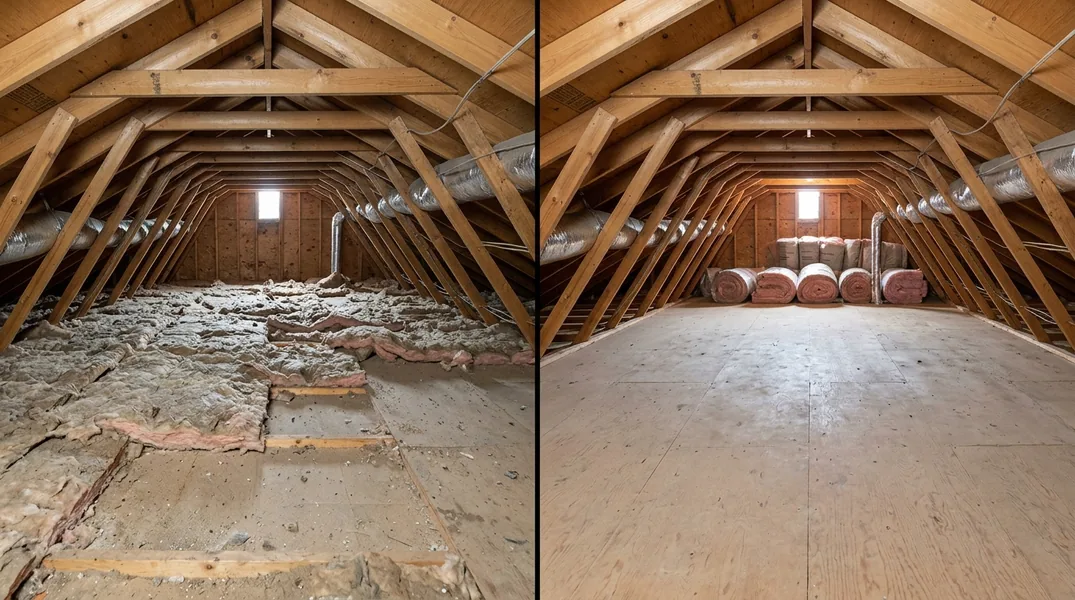
Do You Need a Permit for Spray Foam Insulation in Colorado Springs?
One of the most common questions homeowners ask when planning an Attic Spray Foam Insulation project is whether they need a permit. The short answer is: it depends on the scope of your project and local regulations in Colorado Springs.
In general, most attic insulation projects in El Paso County do require a permit, particularly if you are adding insulation to an uninsulated or under-insulated attic space. Permits exist to ensure that work meets building codes, fire safety standards, and energy efficiency requirements. However, the specific permit requirements can vary depending on whether you are working with Closed Cell Spray Foam Insulation or Open Cell Spray Foam Insulation, the thickness of application, and the total square footage being treated.
The best way to determine your exact permit requirements is to contact the El Paso County Building and Planning Department before starting your project. A professional insulation contractor like Colorado Springs Spray Foam Insulation can also guide you through this process and help ensure all paperwork is filed correctly.
Understanding Open Cell vs Closed Cell Spray Foam for Permit Purposes
When it comes to permitting, the type of spray foam you choose matters. Open cell spray foam and closed cell spray foam have different properties, fire ratings, and building code implications, which can affect permit requirements and inspection procedures.
Open cell spray foam is a softer, more flexible material with a lower density. It typically has an R-value of around 3.5 to 3.8 per inch, making it require more thickness to achieve desired insulation levels. Because open cell foam is more permeable and has different fire performance characteristics, some jurisdictions have specific requirements about where it can be installed and how it must be protected. In many cases, open cell applications require a thermal barrier or ignition barrier for code compliance, which inspectors will verify during the permitting process.
Closed cell spray foam, on the other hand, is denser and more rigid. It offers superior insulation performance with a closed cell spray foam R value of approximately 6.0 to 7.0 per inch. This higher R-value means you need less material to achieve your insulation goals, which can actually streamline the permitting process in some cases. Closed cell foam also provides better moisture resistance and structural support, which some building codes favor for certain applications.
The choice between these two types will influence how your permit is classified and what inspections you will need to pass. Colorado Springs Spray Foam Insulation can help you understand which option aligns with local codes and your project goals.
Spray Foam R-Value Requirements and Building Codes
Colorado Springs follows the International Energy Conservation Code (IECC) and state energy codes that specify minimum insulation R-values for different building components and climate zones. Understanding the required spray foam R value for your attic is crucial when applying for permits.
For attic insulation in the Colorado Springs area, the current code typically requires an R-value of R-38 to R-60 depending on the specific zone and when your home was built. If you are using closed cell foam with its higher R-value per inch, you may need only 6 to 8 inches of material. If you opt for open cell foam, you might need 10 to 15 inches to meet the same R-value target. This thickness difference can affect how inspectors evaluate your project and whether any structural modifications are needed in your attic space.
When you submit your permit application, you will need to specify the type of insulation, the proposed thickness, and the resulting R-value. Inspectors will verify during installation that the contractor is applying the material to the correct depth and covering the intended area. Having a clear understanding of your target spray foam R value before you apply for a permit will speed up the approval process and reduce the risk of costly delays or rework.
The Permit Application Process for Attic Spray Foam Insulation Near Me
If you are ready to move forward with Attic Spray Foam Insulation in your home, here is what you can expect from the permit process. First, you or your contractor will need to submit an application to the local building department. This application typically includes a description of the work, the square footage of the attic space, the type and R-value of insulation to be installed, and sometimes a simple sketch or diagram of the attic layout.
The building department will review your application to ensure it complies with current energy codes and fire safety standards. This review period usually takes one to two weeks, though it can be longer during busy seasons. Once approved, you will receive a permit number and can schedule an initial inspection before work begins. The inspector may visit to verify that the attic space is properly prepared and that there are no obstructions or hazards.
After the spray foam is applied, a final inspection is required. The inspector will check that the material has been applied to the correct thickness, that it covers the intended area, and that any required thermal or fire barriers are in place. If you are installing closed cell foam or open cell foam with specific code requirements, the inspector will verify compliance with those requirements as well. Once the final inspection passes, your permit is closed and your project is complete.
Colorado Springs Spray Foam Insulation handles the technical details of your installation and can coordinate with inspectors on your behalf. To get started and learn more about the permitting timeline for your specific project, reach out for a free estimate.
Common Permit Challenges and How to Avoid Them
Even with the best intentions, homeowners sometimes encounter permit issues that delay their spray foam insulation project. One common challenge is inadequate attic ventilation. Building codes require that attic spaces maintain proper air circulation to prevent moisture buildup and wood rot. If your attic lacks soffit vents, ridge vents, or gable vents, the building department may require you to address ventilation before or during your insulation project. This is especially important when using closed cell foam, which is more moisture-resistant but can still trap moisture if ventilation is poor.
Another frequent issue is the presence of recessed lighting fixtures or other penetrations in the ceiling. Spray foam cannot be applied directly over recessed lights or other heat-producing fixtures without creating a fire hazard. Your contractor must install protective barriers or boxes around these items before application. Inspectors will look for these safeguards, so it is important to identify all potential obstacles during the planning phase.
Improper attic access is a third common problem. Building codes require that attic spaces remain accessible for maintenance and future repairs. If spray foam is applied in a way that blocks attic access or makes it difficult to reach mechanical systems, electrical panels, or HVAC components, the inspector may require modifications. Planning your spray foam application to preserve access points will help your project pass inspection on the first try.
The best way to avoid these and other permit issues is to work with an experienced contractor who understands local codes and has a track record of passing inspections. Colorado Springs Spray Foam Insulation has served the region for years and knows exactly what inspectors in Colorado Springs are looking for. Call (719) 722-2568 to discuss your project and ensure it is set up for success.
Attic Spray Foam Insulation Cost in Colorado Springs: Budget Considerations with Permits
When budgeting for your attic spray foam insulation project, it is important to factor in permit costs. In El Paso County, permit fees for insulation work are typically based on the valuation of the project or a flat fee structure. While permit costs are generally modest (often between $50 and $300 depending on the scope), they are a legitimate expense that should be included in your overall project budget.
Beyond the permit fee itself, the permitting process can affect your total project cost in other ways. If your attic requires preparatory work such as air sealing, ventilation improvements, or removal of existing insulation, these tasks may need to be completed before the permit is issued or before the final inspection can pass. The type of spray foam you choose also influences cost. While open cell spray foam typically has a lower material cost per board foot, you will need more thickness to achieve the same R-value as closed cell foam, which can offset the savings. Closed cell spray foam has a higher upfront cost but requires less material and offers superior performance, potentially delivering better long-term value.
To get an accurate picture of your project cost, including permits and any preparatory work, request a free estimate from Colorado Springs Spray Foam Insulation. Our team will assess your attic, explain your options for open cell vs closed cell spray foam, and provide transparent pricing that accounts for all aspects of your project, including permitting.
Looking for a professional spray foam insulation contractor in Colorado Springs? Colorado Springs Spray Foam Insulation responds fast for all your spray foam insulation needs.
Get a Free Quote