Understanding the Air Sealing vs. Spray Foam Decision
When homeowners in Colorado Springs think about improving their home's energy efficiency, they often face a fundamental question: should they invest in air sealing alone, or does full Attic Spray Foam Insulation make more sense? This isn't a one-size-fits-all answer, and the honest truth is that both approaches have merit depending on your home's current condition, your budget, and your long-term energy goals.
Air sealing focuses on closing gaps, cracks, and penetrations that allow conditioned air to escape. It's like patching holes in a bucket. Spray foam insulation, on the other hand, does double duty: it seals air leaks while simultaneously providing thermal resistance. For many homeowners, understanding the real benefits and limitations of each approach is the first step toward making a decision that will actually pay off.
What is Spray Foam Insulation R Value Per Inch?
One of the most important technical details when evaluating spray foam is its R-value per inch. R-value measures thermal resistance, and higher numbers mean better insulation performance. Open Cell Spray Foam Insulation typically delivers an R-value of approximately 3.5 to 3.6 per inch, making it a solid performer for most residential applications. Closed Cell Spray Foam Insulation, however, offers superior performance at roughly 6.0 to 6.5 per inch, which is nearly double the R-value of open cell.
This difference matters significantly when you're trying to achieve specific Colorado Springs energy code compliance and maximize efficiency in limited spaces. Closed cell foam is denser, more moisture-resistant, and provides better air sealing in a thinner application. Open cell foam is lighter, more flexible, and generally more affordable, but requires greater thickness to achieve the same R-value. For attic applications in Colorado's climate, many homeowners find that closed cell foam delivers faster payback due to its superior performance, though the upfront pricing is higher.
How Thick Should Spray Foam Be in Your Colorado Springs Home?
The question of thickness is directly tied to your R-value goals and the type of foam you choose. If you're using open cell foam at 3.5 R per inch, you'd need roughly 13 inches to achieve an R-44 rating. With closed cell foam at 6.5 R per inch, you'd only need about 7 inches to reach the same thermal resistance. In attics with height restrictions or existing framing limitations, this difference becomes crucial.
For Attic Spray Foam Insulation installations, thickness also depends on whether you're insulating the attic floor (most common and cost-effective) or the roof deck (necessary if you have conditioned attic space or ductwork up there). A typical attic floor in Colorado Springs benefits from R-38 to R-49 thickness, which translates to 11 to 14 inches of open cell or 6 to 8 inches of closed cell. The key is ensuring your contractor applies the foam evenly and doesn't leave thin spots that compromise performance.
R Value Requirements by State: What Colorado Springs Needs
Colorado's energy code, which applies to Colorado Springs and surrounding areas, specifies minimum insulation requirements based on climate zone and building component. Colorado Springs sits in Climate Zone 5, which requires R-38 minimum for attic insulation in most residential applications. This is a baseline, not a recommendation for optimal efficiency. Many energy-conscious homeowners exceed this minimum to reduce heating and cooling costs over time.
State-level R-value requirements aren't just arbitrary numbers. They're calculated based on heating degree days, cooling needs, and cost-benefit analysis. Meeting Colorado's code is the legal minimum, but exceeding it often makes economic sense, especially if you plan to stay in your home long-term. Some homeowners aim for R-49 or even R-60 in attics to maximize comfort and minimize energy bills. When you're evaluating your options, ask your contractor to show you the payback period for different thickness levels so you can make an informed choice aligned with your budget and goals.
Insulation Tax Credits and Rebates: Making Spray Foam More Affordable
One of the most overlooked advantages of investing in spray foam insulation is the availability of federal and local incentives. The federal Attic Spray Foam Insulation tax credit has been expanded in recent years, allowing homeowners to claim up to 30 percent of the cost of qualifying insulation improvements, capped at $3,200 per year. This credit applies to both materials and labor, making it a substantial offset to your actual out-of-pocket expense.
Beyond federal incentives, many utility companies and local programs in Colorado offer Colorado Springs residents additional rebates for energy efficiency upgrades. Some utility rebates can range from $500 to $2,000 depending on the scope of work and your current insulation levels. When you're evaluating the true cost of a spray foam project, be sure to factor in these incentives. What appears expensive upfront may become quite reasonable after tax credits and rebates are applied. We recommend discussing available incentives during your free estimate so you understand the real net cost of your investment.
Air Sealing Alone: When It Makes Sense
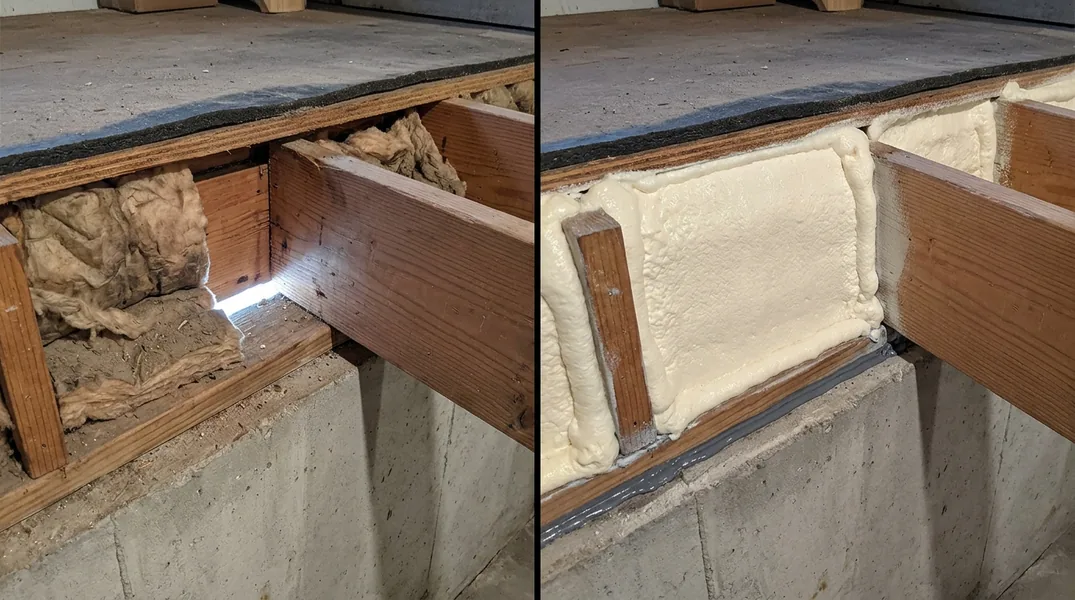
Air sealing without spray foam can be a smart choice in specific situations. If your home already has adequate insulation in place (R-38 or better), and your primary energy loss is due to air leaks rather than poor insulation value, then targeted air sealing might be the most cost-effective first step. Common air leak locations include attic penetrations around plumbing vents, electrical wiring, recessed lights, and the rim joist area where the foundation meets the walls.
However, here's the honest assessment: air sealing alone rarely delivers the complete solution that most Colorado Springs homes need. Even well-sealed attics with older, compressed insulation will continue to lose energy because the insulation itself has degraded. Additionally, air sealing requires ongoing maintenance. Caulk and weatherstripping degrade over time and need replacement. Spray foam, by contrast, creates a lasting air barrier and provides continuous thermal resistance for decades with minimal maintenance. For most homes, combining air sealing with spray foam insulation offers the best return on investment and the most durable long-term performance.
Making Your Decision: Contact Colorado Springs Spray Foam Insulation Today
The choice between air sealing and full spray foam insulation ultimately depends on your home's specific needs, your energy goals, and your budget. The best way to get clarity is through a professional energy audit and consultation. Colorado Springs Spray Foam Insulation offers comprehensive assessments that identify where your home is losing energy and recommend the most cost-effective solutions tailored to your situation.
Whether you're in Fountain, Monument, or anywhere in the greater Colorado Springs area, our team can help you understand your R-value requirements, calculate potential tax credits and rebates, and determine the ideal thickness for your application. Don't leave energy efficiency decisions to guesswork. Call us at (719) 722-2568 or request a free estimate today and take the first step toward a more comfortable, efficient home.
Looking for a professional spray foam insulation contractor in Colorado Springs? Colorado Springs Spray Foam Insulation responds fast for all your spray foam insulation needs.
Get a Free Quote